Aircrew Parachute Harness/Pack – Vulcan & Victor Crew Seats: Aviation Harness and Pack System
Aircrew Parachute Harness/Pack – Vulcan & Victor Crew Seats: Aviation Harness and Pack System
Blog Article
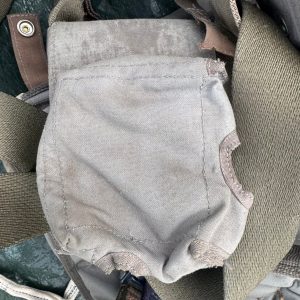
The Aircrew Parachute Harness/Pack – Vulcan & Victor Crew Seats offers collectors, restoration specialists, museums, aviation historians, and qualified equipment professionals a distinctive example of military flight safety equipment.
An Aviation Parachute Harness and Pilot Parachute Harness should be identified through labels, part numbers, manufacturing records, and configuration-specific information.
Whether buyers seek an Aircraft Emergency Parachute Harness, Aircrew Safety Harness, Flight Crew Parachute Harness, Emergency Parachute Harness, or Military Aircrew Harness, exact system identity should guide evaluation.
Accurate descriptions of Aircraft Crew Safety Equipment and Aircrew Emergency Equipment support better purchasing decisions and stronger SEO performance.
An Aviation Safety Harness, Flight Parachute Harness, and Aircraft Parachute Equipment listing should distinguish between operationally inspected equipment, untested historic material, display-only components, incomplete assemblies, and parts items.
Understanding the Vulcan and Victor Aircrew Harness/Pack
A visually similar military parachute harness may not belong to the same aircraft, seat, or operating configuration.
Photographs should show the front, rear, sides, webbing, buckles, attachment points, pack, labels, stitching, hardware, and areas of wear.
Inspecting an Aviation Parachute Harness
A complete inspection should examine both obvious wear and less visible age-related deterioration.
Repairs should not be assumed acceptable merely because they appear neat or use similar-colored material.
Pilot Parachute Harness Fit and Adjustment
An aged harness should not be worn or adjusted forcefully when webbing, buckles, or fittings may be fragile.
Buckles and adjusters should move without excessive force, binding, corrosion, cracking, deformation, or damage to adjacent webbing.
Emergency Harness System Integration
Historic equipment may contain obsolete, time-expired, modified, incomplete, or unverified components.
Paint, plating loss, scratches, or movement marks may provide information about previous use and storage.
Choosing an Aircrew Safety Harness
Military aircrew equipment can vary significantly between aircraft types, crew stations, and service periods.
Proper storage protects the Aircrew Safety Harness and reduces further deterioration.
Military Parachute Harness Inspection
Age-related degradation can exist within fibers, stitching, hardware, or hidden areas.
Documented history can add substantial collector value.
Inspecting an Emergency Parachute Harness
Every strap should be followed from end to end while checking webbing, stitching, folds, attachment areas, fittings, and labels.
Metal fittings should be checked for rust, pitting, cracks, distortion, sharp edges, frozen movement, and plating loss.
Collecting a Military Aircrew Harness
The combination of aircraft association, markings, configuration, condition, and documentation can influence historical and commercial value.
Museums and display builders may use the harness/pack to complete a crew-seat installation, cockpit exhibit, training display, or aviation-history presentation.
Aviation Emergency Escape Harness System
An Aviation Emergency Escape Harness should be understood as one part of a larger crew-survival and emergency-egress arrangement.
Incorrect assembly for display can damage components or create a misleading configuration.
Evaluating Assembly Completeness
Completeness should be described through visible evidence and available records.
Small fittings, retainers, straps, pins, covers, or connectors may have significant restoration value.
Maintaining Aircrew Safety Equipment
Historic equipment should be labeled clearly when sold for display, collection, restoration, or reference.
Conservation should prioritize reversible methods whenever practical.
Preserving Aviation Emergency Equipment
Collectors should preserve labels, inspection records, modifications, and storage evidence.
Modern additions used for display should remain distinguishable from original components.
Evaluating Historic Parachute Systems
A Pilot Emergency Parachute System includes more than a harness because the pack, canopy, deployment equipment, connections, fit, inspection status, and operating procedures all matter.
Noninvasive inspection may be preferable for preservation-focused buyers.
Collectible Military Parachute Equipment
Display mounts should support the harness without introducing tension, sharp bends, adhesive contact, or metal-to-fabric abrasion.
Interpretive labels should distinguish verified facts from uncertain history.
Flight Parachute Harness Buying Guide
The seller should understand the buyer’s purpose before making suitability statements.
Original storage bags, manuals, inspection cards, or photographs can increase collector interest.
Aircraft Parachute Equipment Compatibility
Configuration research helps avoid historically inaccurate or technically unsuitable check here assemblies.
Careful matching preserves both the Aircraft Parachute Equipment and crew seat.
Evaluating Historic Parachute Equipment
A detailed review reduces uncertainty and supports realistic valuation.
- Request photographs of the front, rear, sides, webbing, stitching, buckles, attachment points, pack, labels, and included loose parts.
- Do not treat clean appearance, original labels, or previous inspection stamps as proof of current operational suitability.
- Inspect and photograph the item immediately after delivery before cleaning, opening, adjusting, mounting, repairing, or separating components.
Protecting Military Aircrew Equipment
Acidic cardboard, untreated wood, plasticizers, rubber, chemicals, and damp fabrics should not contact the equipment.
Silica products or humidity-control materials should not contact the harness directly.
Military Aviation Museum Display
A crew-seat display should support the pack in a way that reduces weight on aged straps, fittings, and adjustment points.
Lighting should be limited to reduce fading and fiber deterioration, while the display case should protect against dust, touch, moisture changes, and accidental impact.
Protecting Aviation Safety Equipment
Conservation decisions should consider both material stability and historical value.
Replacement webbing, stitching, buckles, labels, or hardware should not be presented as original when their status is known.
Aircrew Parachute Harness Conclusion
The Aircrew Parachute Harness/Pack – Vulcan & Victor Crew Seats may suit museums, military aviation collectors, cockpit restorers, historians, preservation specialists, and buyers seeking authentic aircrew equipment.
A qualified parachute professional must evaluate the equipment before any operational consideration, while a conservator or historian may be more appropriate for display-focused projects.
Whether buyers seek a Flight Crew Parachute Harness, Emergency Parachute Harness, Military Aircrew Harness, or Aviation Emergency Escape Harness, exact system identity remains essential.
With complete evaluation and continued preservation, the Aircrew Parachute Harness/Pack – Vulcan & Victor Crew Seats can deliver a professional combination of historical significance, restoration potential, collectible appeal, and military aviation heritage.
Report this page